

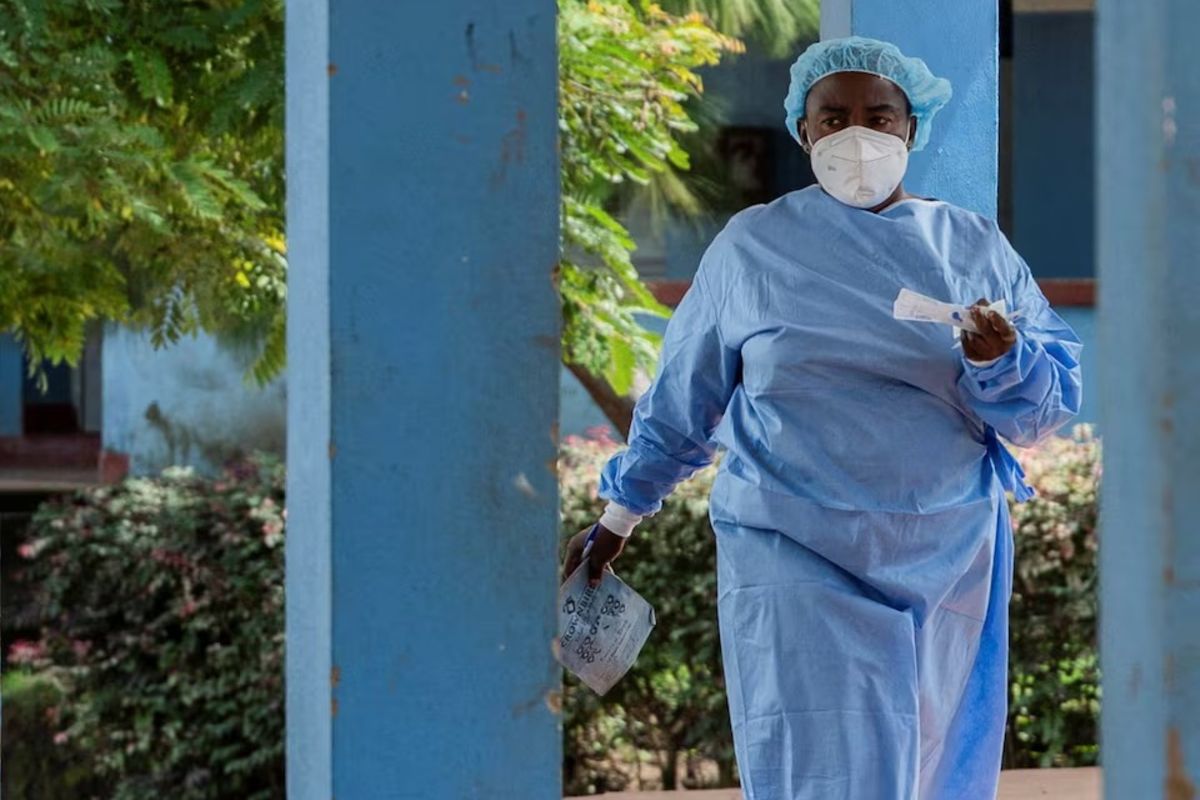
WHO Raises Alarm Over Ebola Outbreak Risk
The World Health Organization (WHO) has officially escalated the risk level of the Ebola outbreak in the Democratic Republic of Congo (DRC) to ‘very high’ at the national level. This comes after recent cases involving the Bundibugyo strain, a type of Ebola virus, were detected in the country, prompting concerns among health authorities and the international community. The focus_keyword for this article, Ebola outbreak Congo, underscores the gravity of the situation and the urgent need for a coordinated response.
Understanding the Bundibugyo Ebola Strain
The Bundibugyo strain is one of several types of the Ebola virus known to cause severe illness in humans. Because of its high transmission rate and the challenges in containment, outbreaks involving this strain require immediate and robust public health interventions. The WHO’s decision to raise the risk assessment highlights the seriousness of the current situation. Health experts warn that delayed action could lead to rapid spread across provinces, putting millions at risk.
Current Situation in the Democratic Republic of Congo
According to the WHO, several cases of Ebola have been confirmed in the northeastern region of the DRC, with a number of deaths already reported. The health infrastructure in the affected areas is under considerable strain, with limited resources available for diagnosis, treatment, and containment. The possibility of the Ebola outbreak spreading beyond the initial region is a significant concern, particularly given the country’s porous borders and mobile populations. The focus_keyword, Ebola outbreak Congo, reflects the urgent need for national and international mobilization.
WHO Recommendations and Response Measures
The World Health Organization has issued a series of recommendations to the DRC government and its health partners. These include immediate isolation and treatment of confirmed cases, rapid contact tracing, public health education campaigns, and the deployment of specialized medical teams to the affected areas. The WHO is also working closely with local communities to promote safe burial practices and reduce the risk of further transmission. In addition, neighboring countries are being advised to strengthen their border screening and surveillance to prevent cross-border spread of the Ebola virus.
Challenges Facing Outbreak Containment
Containing the Ebola outbreak in Congo presents several significant challenges. The affected regions are often remote and difficult to access, complicating efforts to deliver medical supplies and personnel. Insecurity and ongoing conflict in some parts of the DRC further hinder the response. There is also the issue of public mistrust, which can lead to resistance against health interventions and misinformation about the virus. Tackling these challenges requires a concerted effort from both national authorities and international health organizations. The Ebola outbreak Congo situation is a stark reminder of the need for resilient health systems and effective crisis management strategies.
Importance of Community Engagement
Community engagement is a cornerstone of any successful outbreak response. The WHO and its partners are working to build trust with local populations by involving community leaders and providing accurate, timely information about Ebola transmission and prevention. Women leaders, in particular, have been urged to strengthen support networks to ensure that families receive the care and information they need. Empowering communities to take an active role in the response is essential for overcoming barriers and achieving effective containment of the Ebola outbreak in Congo.
International Support and Next Steps
The international community is closely monitoring the situation and preparing to provide additional support if required. This includes the provision of medical supplies, funding, and technical expertise. The WHO has called for increased vigilance and readiness among global partners to respond rapidly should the outbreak escalate further. The focus_keyword, Ebola outbreak Congo, continues to be a priority for global health security, highlighting the interconnectedness of health threats in today’s world.
Conclusion: The Need for Vigilance and Solidarity
As the risk of a widespread Ebola outbreak looms over the Democratic Republic of Congo, the importance of immediate action and international cooperation cannot be overstated. The WHO’s ‘very high’ risk assessment serves as a critical warning for all stakeholders to intensify their efforts in surveillance, response, and community engagement. The situation requires not only medical intervention but also solidarity and resilience from both local and global actors. Remaining vigilant and proactive is essential to preventing a full-scale Ebola outbreak in Congo and protecting public health across the region.
This article is inspired by content from Original Source. It has been rephrased for originality. Images are credited to the original source.