

The Rise of Legal DIY Tools
Lawyers are entering a new era—one where they’re no longer passive consumers of legal technology but active creators. On platforms like LinkedIn, a quiet revolution is unfolding as legal professionals begin experimenting with coding and building their own tools. While many of these projects may never see full-scale deployment, their real value lies elsewhere: in empowering lawyers to think more concretely about what they need from legal tech.
Central to this movement is Claude Code, a user-friendly code editor developed by Anthropic. It enables non-developers, including lawyers, to manipulate code and files directly. This shift allows for hands-on experimentation, helping legal professionals understand where workflows succeed or fail. But even Claude Code presents hurdles for those unfamiliar with coding environments—file trees, commands, and terminals can be intimidating.
Introducing Claude Cowork
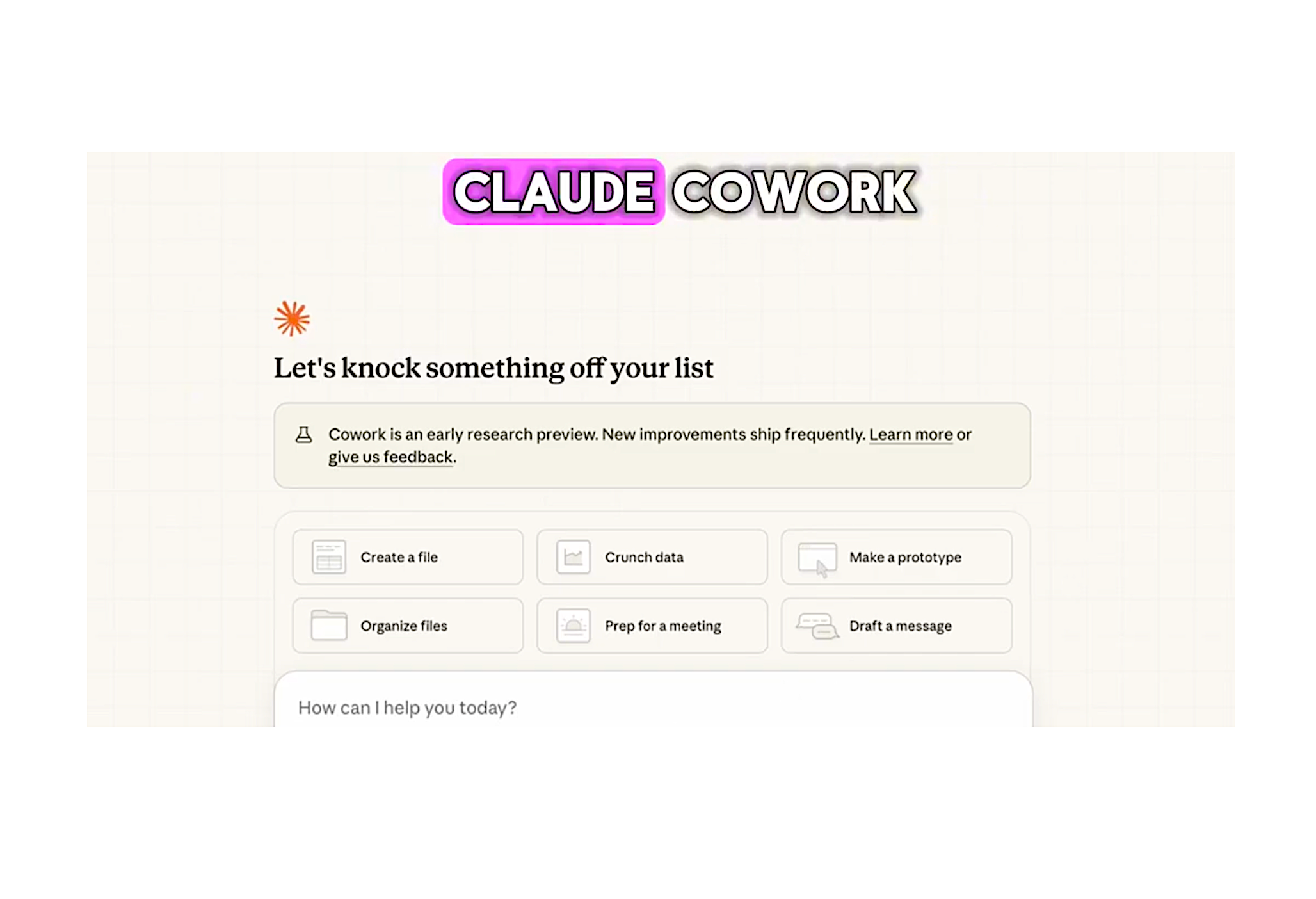
To bridge that gap, Anthropic has introduced Claude Cowork. Think of it as Claude Code, but tailored for broader, everyday tasks. It’s available as a new tab in the Claude desktop app, sitting alongside the Chat and Code interfaces. Users initiate tasks by providing a prompt and optionally attaching a folder of files. The interface is intuitive, offering a more accessible entry point for non-technical users.
What makes Cowork distinct is its ability to act as a general task agent. Rather than asking questions, users assign tasks. Cowork can read, create, edit, rename, and reorganize files within a designated folder. This functionality democratizes access to powerful AI tools and opens the door for legal professionals to manage projects in a more hands-on, orchestrated way.
The Folder as a Workspace
At the core of Cowork’s design is a simple concept: the folder as a workspace. When given access to a specific folder, Cowork treats it as its entire operational universe. It cannot access anything outside that folder, creating a secure and bounded environment. This is especially important for legal professionals who often work within well-defined contexts—such as due diligence folders, case files, or contract sets.
This structure serves three purposes. First, it acts as the user interface. Second, it establishes a safety guardrail. And third, it becomes a creative playground. By controlling what enters and leaves the folder, users can manage both scope and risk effectively.
Expanding Capabilities with Skills and Connectors
Once users are comfortable with Cowork’s basics, they can enhance its functionality. Claude can leverage existing connectors—tools that integrate external data—and Anthropic has introduced a suite of skills aimed at improving Claude’s ability to generate documents, presentations, and more.
Pairing Cowork with the Claude in Chrome extension extends its capabilities further, enabling it to perform tasks that require web browsing. This creates a powerful ecosystem where Claude can operate across local files and the internet, all under user supervision.
Case Study: Disney and 21st Century Fox Merger
To illustrate Cowork’s potential, consider a practical example involving the Disney acquisition of 21st Century Fox. The user created a matter folder containing five complex legal documents, including a merger agreement and a proxy statement—highly detailed files authored by top-tier law firms.
Using Claude Cowork, the user assigned three tasks:
- Organize Documents: Sort files into subfolders (e.g., agreements, proxies, press releases) and rename them using consistent naming conventions.
- Summarize Key Deal Terms: Extract and summarize critical data such as transaction value, parties involved, and termination clauses.
- Generate a Deal Summary Report: Produce a plain-language summary of the acquisition, including rationale and structural details.
The result was a well-organized folder structure, renamed files, and a comprehensive summary document. This task, which might take a junior associate several hours, was completed much faster with Cowork’s assistance. However, the power to edit actual files introduces risks—mistakes or lost data are real possibilities, emphasizing the need for caution.
Security Considerations
With great power comes great responsibility. Anthropic acknowledges the risks associated with Claude Cowork, especially concerning prompt injections—malicious attempts to manipulate the AI through embedded content. While the platform has built-in defenses, users must adhere to best practices:
- Avoid granting access to folders that contain sensitive information.
- Limit the Claude in Chrome extension to trusted websites.
- Monitor Claude’s behavior for suspicious activity.
For legal professionals, these precautions are familiar. Just as they carefully curate what goes into a data room or what’s shared with third parties, they must now apply the same discipline to AI interactions—especially when client confidentiality is at stake.
From Prompting to Orchestration
The most profound shift brought by tools like Claude Cowork is the move from simple prompting to orchestration. Lawyers are no longer just giving instructions in abstract terms; they are supervising ongoing work in a specific, inspectable environment. This involves defining the scope, writing clear task instructions, organizing workflows, and critically reviewing outputs.
These are not technical skills, but judgment skills—and they are becoming increasingly essential. Legal professionals who learn to orchestrate now will be better positioned as these tools become more advanced and widespread.
Conclusion
Claude Code and Claude Cowork represent a pivotal moment in legal technology. They mark the evolution of lawyers from tool users to workspace orchestrators, capable of directing AI agents within carefully defined boundaries. As legal professionals embrace these tools, they gain not only efficiency but also a deeper understanding of their own processes and needs.
The future of legal work lies not just in automation, but in thoughtful orchestration—and those who master it early will lead the way.
This article is inspired by content from Original Source. It has been rephrased for originality. Images are credited to the original source.