

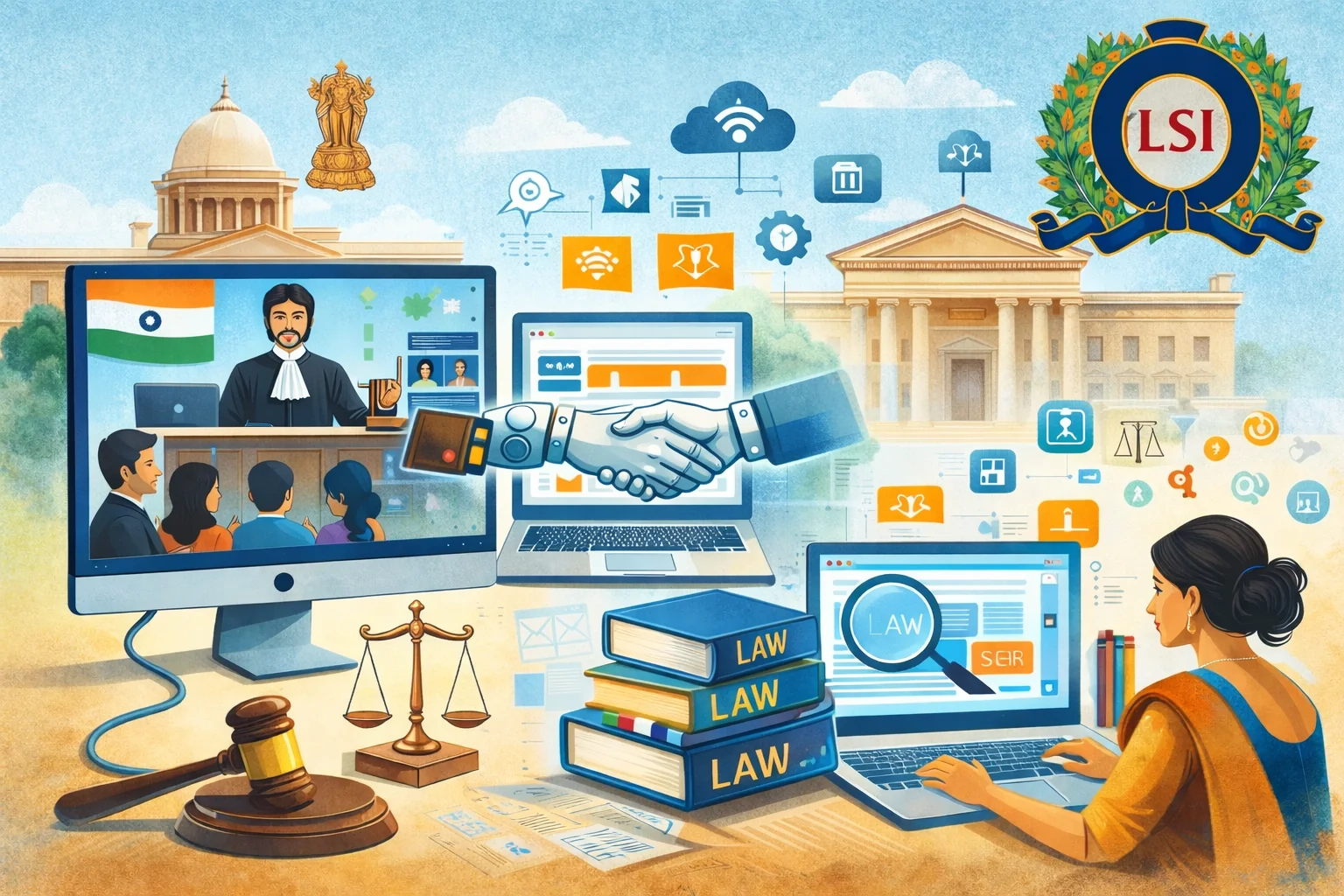
The Indian legal ecosystem, long defined by traditional practices, is undergoing a remarkable transformation fueled by technology. From digital courtrooms to online legal resources, the integration of digital tools is altering how legal services are accessed and delivered, enhancing transparency, efficiency, and public understanding.
Evolution of Technology in the Indian Legal System
Digitization of Courts and Case Management
One of the pivotal changes within the Indian legal landscape is the implementation of the e-Courts Project. This significant initiative has enabled online case listings, e-filing, virtual hearings, and digital access to judgments, streamlining processes and improving transparency. Government-backed platforms, as highlighted on portals like india.gov.in, reflect a commitment to leveraging technology for judicial efficiency. These efforts empower litigants by providing easier access to case-related information, benefiting both legal professionals and the public.
– Online case listings enhance transparency and tracking of cases.
– E-filing reduces paperwork and minimizes physical court visits.
– Virtual hearings save time and costs for litigants and lawyers.
– Digital judgments facilitate easy access to court decisions.
Technology has revolutionized legal research, with online databases allowing instant access to statutes, case laws, and commentaries. This shift has improved the quality of legal research, reducing reliance on physical law libraries and making legal knowledge more accessible across geographical boundaries.
Legal Technology (LegalTech) and Innovation
Automation and Practice Management
Law firms and independent practitioners are increasingly adopting practice management software to automate routine tasks such as scheduling, billing, and document management. This automation reduces the administrative burden, enabling legal professionals to focus on substantive legal work.
– Scheduling and calendar management
– Automated billing and invoicing
– Digital document storage and retrieval
– Reduced administrative workload
Online dispute resolution platforms are gaining prominence, particularly in commercial disputes and consumer grievances. By enabling mediation and arbitration through digital platforms, ODR offers a faster and more cost-effective alternative to traditional litigation, aligning with the principles of access to justice.
– Digital mediation and arbitration
– Lower costs compared to traditional litigation
– Faster resolution of disputes
– Improved access to justice for citizens
Digital Outreach and Legal Awareness
Importance of Legal Awareness in a Digital Age
A well-informed citizenry is fundamental to the rule of law. Digital platforms have become potent tools for spreading legal awareness, enabling individuals to understand their rights and obligations without engaging in formal legal proceedings. Websites, blogs, webinars, and social media platforms now play a significant role in educating the public on legal issues ranging from consumer rights and family law to cybercrime and data protection.
An online presence is no longer optional for legal professionals. Law firms and advocates increasingly use websites and educational content to share insights, explain legal developments, and engage with a wider audience. Done responsibly, digital outreach can enhance transparency and trust between legal professionals and the public.
Regular exposure to digital marketing news allows legal professionals to better understand evolving online communication practices and adapt their educational outreach accordingly.
While technology and digital outreach offer numerous opportunities, legal professionals must operate within established ethical frameworks. The Bar Council of India, through its rules and professional standards, regulates advertising and professional conduct for advocates. Digital outreach must therefore focus on education and information rather than solicitation.
The increasing use of digital tools raises concerns related to data privacy and client confidentiality. Legal professionals must ensure that client information is protected through secure platforms and compliance with applicable data protection laws. As India develops its data protection framework, legal practitioners must remain vigilant and informed.
Reputed business and technology publications have highlighted the growing digitization of professional services in India, including the legal sector. These reports underline how technology adoption is influencing small practices and individual advocates, reflecting a broader shift toward digital maturity within the legal ecosystem.
Challenges in Digital Transformation
Despite rapid progress, challenges remain. Limited digital literacy and infrastructure disparities continue to affect access to technology, particularly in rural and semi-urban areas. Bridging this digital divide is essential to ensure that technological advancements benefit all sections of society.
The legal profession, rooted in tradition, has at times shown resistance to adopting new technologies. Addressing this requires training, awareness, and a shift in mindset, emphasizing that technology is a facilitator rather than a replacement for legal expertise.
As India continues its digital transformation journey, the legal sector’s engagement with technology and digital outreach will remain a critical factor in shaping a more informed, efficient, and inclusive justice system.
Note: This article is inspired by content from https://www.legalserviceindia.com/Legal-Articles/how-technology-and-digital-outreach-are-transforming-the-indian-legal-ecosystem/ . It has been rephrased for originality. Images are credited to the original source.